
Introduction: What is Marketing Analytics and How Does it Help Marketers?
Marketing Analytics is the process of analyzing marketing data to determine the effectiveness of different marketing activities.
The key benefits of using Marketing Analytics are that it helps marketers understand their audience, identify potential customers, plan marketing campaigns, and improve user experience.
The success of a business will depend on the customer experience. A company needs to invest in its marketing campaigns and maintain communication with its audience. A company may want to start building a rapport with their target demographic and then find out what they need and prefer to communicate.
More Read

Marketing Analytics is a tool that helps marketers understand their audience and customer base to create marketing campaigns that will be more successful. The process of Marketing Analytics consists of data collection, data analysis, and action plan development. Understanding your marketing data to make more informed and successful marketing strategy decisions is a systematic process. This article will focus on the different stages of this process: Types of Data, Data Collection, and Data Analysis.
Types of Data Used in Marketing Analytics
Data is a constant in today’s world. It comprises the backbone of every industry. Every company has data, and most importantly, they use it to make decisions daily. Organizations of all sizes are using data to improve their business decisions, whether monitoring the uptime of one’s server or predicting how many new customers will likely sign up.
Technology has made it so that organizations of all sizes are using data. For example, this model can be used for marketing to increase revenue, or it can be used to make predictions. It is also used to make individual decisions about people, such as determining if an applicant’s past indicates future success.
Marketing analytics is the study of marketing data to find patterns and tendencies that can improve marketing strategies. It has become an essential aspect of marketing strategy. For example, an entrepreneur and mastermind, Neal Taparia, uses data from his brain training app Solitaire Bliss to learn what customers want and provide products or services that meet customer needs. These insights optimized his marketing efforts for better ROI and conversion rates. They also offer many new ways to look at the data marketers are already collecting to put this data into action to generate more leads, sales, and revenue.
How to Collect Data for Marketing Analytics?
Data is a powerful marketing tool that can gain insights into the company’s performance and in the customer’s mindset. As a result, it helps marketers make better decisions and stay ahead of their competitors. For example, marketing automation software allows marketers to keep up with the fast pace of internet marketing.
The data collection process is an ongoing process that starts with setting goals, defining success metrics, identifying what data needs to be collected, and how it will be gathered. There’s more to it than meets the eye when it comes to data collection. The process is ongoing and starts with setting goals and defining success metrics before considering what data needs to be collected and how it will be gathered. Data can be collected in a variety of ways and various formats. Some of the most popular methods include interviews, focus groups, surveys, or other research tools. Collecting data is an integral part of the research process and provides insights into what people think about a given topic. For example, having data on what people think about public transportation can help improve it and make people more satisfied with this service.
When starting a new project, it’s important to have a process for running a successful project. The first step is setting the goals and defining what success metrics you want to measure. It’s also important to identify what data needs to be collected and how it will be gathered.
There are many different ways to go about achieving a successful project outcome. What works for one person might not work for another. But, the first step in any good process is to identify the goals and define what success metrics you want to measure.
Preparing the Data for Analysis
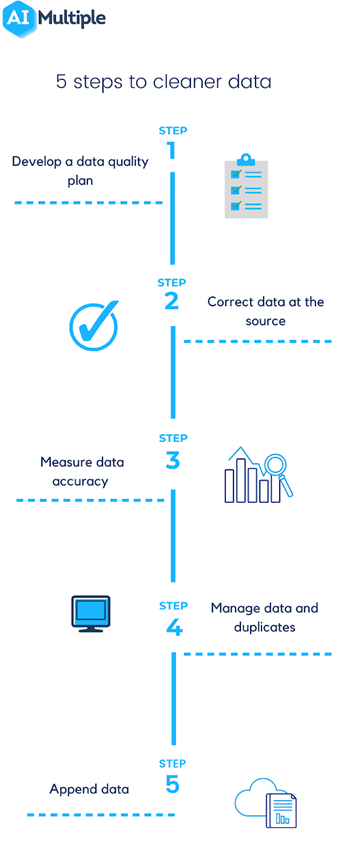
The first step is to collect data from a source. To do this, we need to identify the data to be collected and then manage it. Some data types can be collected by hand, while others need third-party tools such as Google Ads API, which help you gather raw data.
Once we have the raw data, we need to clean it and remove any extraneous information that isn’t relevant for our purposes. After cleaning and organizing the data, we will then be able to analyze it in different ways, such as using statistics or other analytical methodologies such as machine learning or AI algorithms for regression.
Data cleaning is the process of removing any biases or inconsistencies that may have come up during the data collection process. It includes checking for missing data, incorrect letters or numbers, and formatting errors. After cleaning and organizing the data, we will then be able to analyze it in different ways, such as using statistics or other analytical methodologies such as machine learning.
Analyzing the Data for Meaningful Insights
Companies use data to uncover insights that are sometimes not visible with just a cursory glance.
It can be analyzed in various ways, but it is important to note that data does not provide new information on its own. Instead, it only provides insight into the questions you ask of it.
The four foundations for finding meaning in data are:
- Understanding the question, you are asking of your data
- Finding patterns and relationships within your data
- Focusing on the unique insights of your dataset
- Bringing new perspectives to the problem at hand
Conclusion & Future of Marketing Analytics
We’ve seen that Marketing Analytics is evolving and has a future. The top four reasons for this evolution are:
- It’s about understanding the customer and the business
- It’s about unlocking data and turning it into insights
- It’s about getting more of what we want: personalized offers, customized experiences, insightful recommendations
- It’s about ensuring that we get more of what we need: predictive accuracy, ROI maximization, successful marketing campaigns.